“native country” search results (1000)
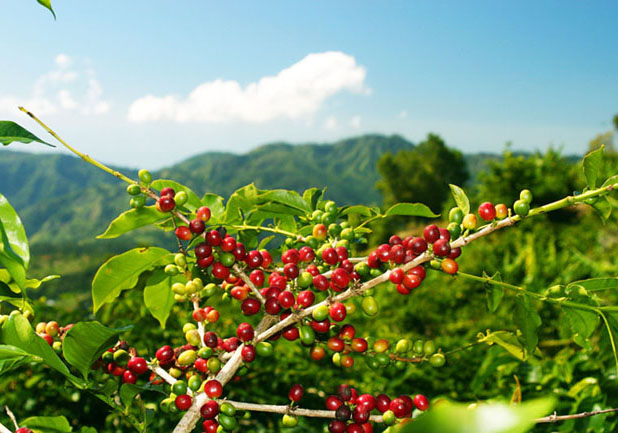
Obiasidamo sun treatment lion king tin card or bourbon? Iron card coffee beans iron pickup
Iron pickup "Typica" iron pickup, the name sounds very majestic, but in fact it is not so strong, its constitution is weak, disease resistance is poor, easy to catch rust leaf disease, fruit yield is also small. It is one of Ethiopia's oldest native varieties, and many Arabica are derived from iron pickups! One of the characteristics of iron pickup is that the top leaves are bronze, and the beans are larger, oval or thin and pointed.
2016-04-22 Biya Dharma Sunburn Deal Lion King Pickup Still Bourbon Coffee Bean Skin
How many coffee producing countries are there in the world?
1. Arabica species (scientific name Coffea arabica) Arabica species is native to Ethiopia's Abyssinian plateau (now Ethiopia plateau), early mainly as a medicinal food (Islamic lovers used as a healing medicine or to wake up), 13th century developed the habit of baking and drinking, 16th century introduced to Europe via Arabia
2016-06-06 coffee cultivation condition world on how much country of production rabbi kasu scientific name
Latest Coffee News Australian Coffee Culture: native Coffee Culture "forces" Starbucks
People who regard food as the most important thing like to mark a city or a country with a dish or a kind of food. Well, for Melbourne, Australia, which is mixed by multi-ethnic immigrants, the world has heard more about Australian grape wine, while coffee is closer to the life of local people. Melbourne is the coffee capital of Australia, with Paris, Vienna, Seattle, Havana, Vancouver and Sao Po
2016-04-18 The latest coffee news Australia coffee culture local forced away Buck
Introduction to Ethiopian Sidamo Chiso Coffee Flavor Manor with citrus aroma
Ethiopia is rectangular, with a ratio of length to width of 3:2. From top to bottom, it is composed of green, yellow and red parallel equal horizontal rectangles, with the national emblem in the middle of the flag. Since the end of the 19th century, Ethiopia began to use the green, yellow and red cross-striped national flag. In modern history, Ethiopia is the first African country to join the forest of free nations. [8] to this century
2016-08-24 Oranges aroma Ethiopia Dharma Shaquiso Coffee Flavor palate Manor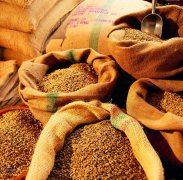
Knowledge about coffee botany
According to the botanical description of coffee: coffee is Rubiaceae, coffee genus, perennial evergreen shrubs or small trees. There are more than 60 types of coffee classified, but there are roughly two varieties of coffee grown commercially on a large scale, one is Arabica, accounting for about 70 percent of the world's coffee planting area, and the other is Robasta, accounting for about 30 percent of the world's coffee planting area. According to our country
2014-08-29 Coffee plants coffee knowledge coffee encyclopedia
What are the main types of coffee trees and where do most coffee trees grow?
The main species of coffee tree: Liberian species Liberian species or large seed species, native to Liberia in Africa, and Malaysia and a few other countries. It has a slightly shorter history than the other two coffee trees. The Liberian coffee tree is suitable for lowland cultivation. It has a tall and strong trunk, which is 18 meters high, large and tough leaves, and large fruits and coffee beans. Its seed coat clings to the kernel,
2016-05-27 coffee major category which mostly where production
Basic knowledge of coffee botany
According to the botanical description of coffee: coffee is Rubiaceae, coffee genus, perennial evergreen shrubs or small trees. There are more than 60 types of coffee classified, but there are roughly two varieties of coffee grown commercially on a large scale, one is Arabica, accounting for about 70 percent of the world's coffee planting area, and the other is Robasta, accounting for about 30 percent of the world's coffee planting area. According to our country
2015-04-23 Coffee botany knowledge basics common sense
Introduction to the species of Coffee trees
Catimor Katim (Timor and Caturra hybrid). Was found in Portugal in 1959. The palate is obvious and easy to distinguish, bitter acid with a bit of astringency, and the finish is often salty. It is a high-yield variety with high planting density and strong resistance to leaf rust. Timor Timm (a hybrid of Arabica and Robusta found in East Timor, but closer to Arabica because of its infection
2016-06-03 Coffee type introduction Catimor Tim Timor Catu
Boutique Coffee knowledge about Coffee Botany
According to the botanical description of coffee: coffee is Rubiaceae, coffee genus, perennial evergreen shrubs or small trees. There are more than 60 types of coffee classified, but there are roughly two varieties of coffee grown commercially on a large scale, one is Arabica, accounting for about 70 percent of the world's coffee planting area, and the other is Robasta, accounting for about 30 percent of the world's coffee planting area. According to our country
2014-10-13 Coffee knowledge boutique caffeine coffee botany
YCFCU Fine Coffee Raw beans Ethiopian Water washes G2 Grade Raw beans from Yega Sheffidama Cooperative
Coffee beans details: country: Ethiopia level: G2 producing area: Yegasuefi area Dama Village altitude: 1800-2200 m treatment method: washing variety: local native species (Heirloom) producer: Dama cooperative flavor: lemon peel, black tea, dried longan, Huaxiang Isopia there are eight major producing areas: Ekempti, Limu, Illubabor, Dji
2016-03-10 YCFCU boutique coffee raw beans Ethiopia water washing Yega Sheffield
How many varieties of coffee beans are there in the world
There are more than 70 kinds of coffee in the world, of which 3 are mainly cultivated in China. ① small seed species, also known as Arabica coffee, is native to Ethiopia and is cultivated in Taiwan, Fujian, Guangdong, Guangxi, Yunnan and Sichuan. Shrub, 4-6 m tall, with many branches in the basal part; leaves thinly leathery, ovate-lanceolate or lanceolate, entire or undulate, terminal bud green or bronzed, so
2016-06-05 Global total how many coffee beans varieties
How many varieties of coffee beans are there in the world
There are more than 70 kinds of coffee in the world, of which 3 are mainly cultivated in China. ① small seed species, also known as Arabica coffee, is native to Ethiopia and is cultivated in Taiwan, Fujian, Guangdong, Guangxi, Yunnan and Sichuan. Shrub, 4-6 m tall, with many branches in the basal part; leaves thinly leathery, ovate-lanceolate or lanceolate, entire or undulate, terminal bud green or bronzed, so
2016-06-05 Global total how many coffee beans varieties
What are the types of coffee trees?
The shape of the bean is small, the front is long oval, the middle crack is narrow and tortuous, and the arc on the back of the bean is flat. Arabica coffee is grown in Brazil and Colombia in South America, Central America, Costa Rica in the Caribbean, Guatemala, Jamaica, Mexico and Ethiopia. Arabica coffee beans are large, uniform in size and glossy in color.
2016-05-31 Coffee class which bean-shaped smaller face oval middle crack zigzag
Bolivian snow vein manor coffee flavor taste characteristics boutique coffee introduction
Presidential elections were held on December 18, 2005. Evo Morales, leader of the Aymara Indian Movement for Socialism in Bolivia, won the election with 53.75% of the vote and took office on January 22, 2006. He became the first Native American president of Bolivia and the first leftist president of Bolivia. It began with progressive communal socialism (Indian socialism).
2016-08-30 Bolivia Snow Veins Manor Coffee Flavor Taste Characteristics Boutique Introduction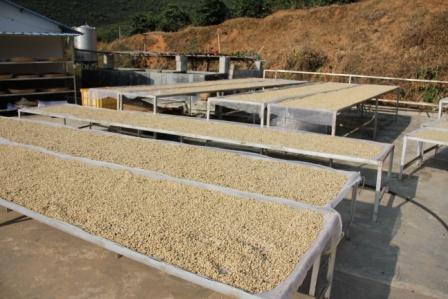
Elevated bed Solar treatment of Heirloom Coffee Raw beans in Ethiopia Cedar Mosida Masha Chiso producing area
The coffee flavor of Sidamo is very diverse, because of the different soil composition, regional microclimate and countless native coffee varieties, the coffee produced in each urban area has obvious differences and characteristics. Sidamo producing area (Sidama) is located in the south of Ethiopia. The industry here is dominated by agriculture, and the coffee growing area is located around the East African Great Rift Valley (GreatRiftValley).
2016-04-13 Esso Biya Cedar Moses Dama Shaquiso production area Viaduct Solar treatment
Basic knowledge of fine coffee basic knowledge of coffee botany
According to the botanical description of coffee: coffee is Rubiaceae, coffee genus, perennial evergreen shrubs or small trees. There are more than 60 types of coffee classified, but there are roughly two varieties of coffee grown commercially on a large scale, one is Arabica, accounting for about 70 percent of the world's coffee planting area, and the other is Robasta, accounting for about 30 percent of the world's coffee planting area. According to our country
2015-03-12 Boutique coffee basics common sense botany knowledge
What is the history or origin of Blue Mountain Coffee?
The shape of Arabica bean is small, the front is long oval, the middle crack is narrow and tortuous, and the arc on the back of the bean is flat. Arabica coffee is grown in Brazil and Colombia in South America, Central America, Costa Rica in the Caribbean, Guatemala, Jamaica, Mexico and Ethiopia. Arabica coffee beans are large, uniform in size and color.
2016-06-08 Coffee category which Blue Mountain History Origin Rabbi Card Bean smaller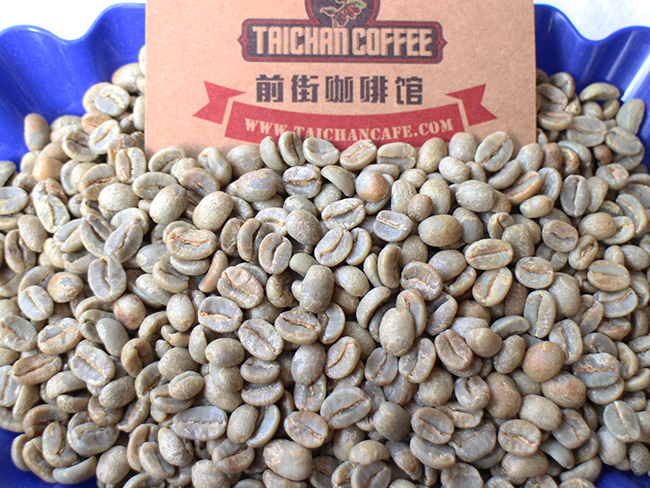
Raw bean wholesale price Ethiopia Sida Mosida Damasso producing area sun-treated coffee raw bean price
The coffee flavor of Sidamo is very diverse, because of the different soil composition, regional microclimate and countless native coffee varieties, the coffee produced in each urban area has obvious differences and characteristics. Sidamo producing area (Sidama) is located in the south of Ethiopia. The industry here is dominated by agriculture, and the coffee growing area is located around the East African Great Rift Valley (GreatRiftValley).
2016-04-13 Raw beans wholesale prices Esso Biya Cedar Moses Dama Shaquiso producing areas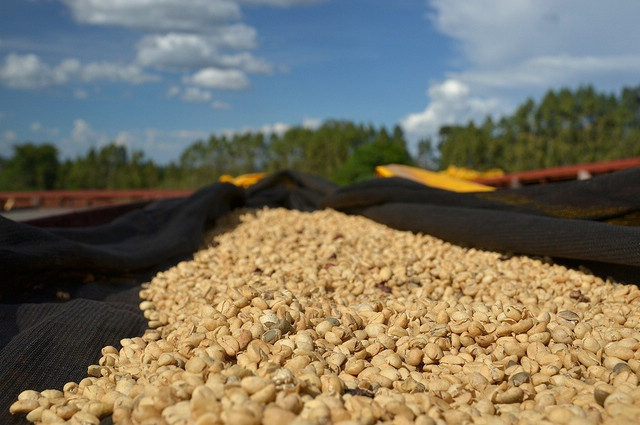
How to choose coffee bag Ethiopia Sidamo Gujiso Xia Chiso sun-dried coffee cooked beans
The coffee flavor of Sidamo is very diverse, because of the different soil composition, regional microclimate and countless native coffee varieties, the coffee produced in each urban area has obvious differences and characteristics. Sidamo producing area (Sidama) is located in the south of Ethiopia. The industry here is mainly agricultural, and the coffee growing area is located around the Great Rift Valley (Great Rift Valley) of East Africa.
2016-03-29 How to choose coffee Ethiopia Dharma Gouji Shakiso sun cooked beans
90 + raw bean ninetyplus90 + levelup flower language Derar Ela sun West Dharma
Ninetyplus90+ Level Up Derar Ela country: Ethiopia: Shakiso, Kibremengist, Guji altitude: 1700-2000 m treatment: sun varieties: Ethiopian native species producer: local smallholder flavor: berries, flowers, grapes, a variety of tropical fruits rich aromas Ninetyplus is an internationally renowned coffee bean
2016-04-26 90 yuan raw beans ninetyplus 90 + levelup